Dock to Door: Making a Hire Bike Your Winter Training Partner
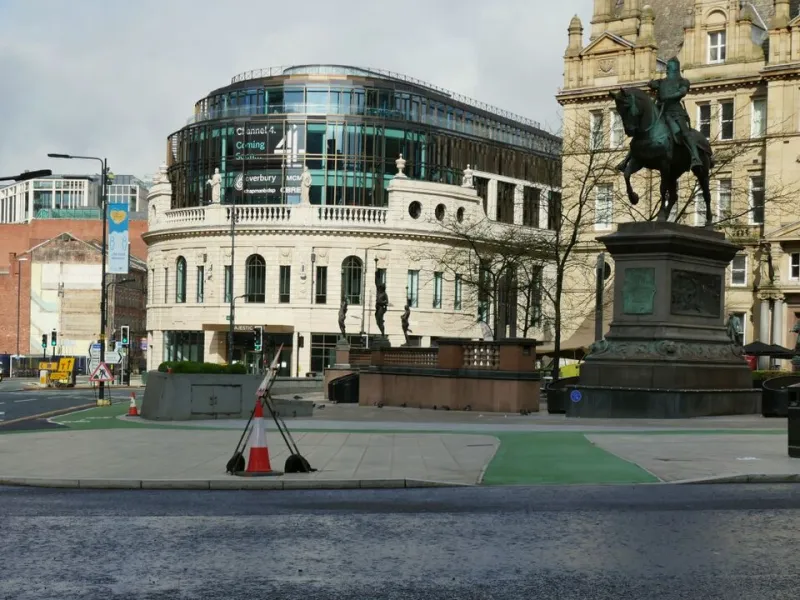
Photo: Stephen Craven , CC BY-SA 2.0, via Wikimedia Commons
The first time you ride a docked hire bike, it feels less like a training tool and more like a shopping trolley with a saddle. That is fine. You are not trying to win a sportive. You are trying to get 20 or 40 minutes of steady, useful movement into a real week, using a bike you do not have to store, insure or fix.
If you live or work within a few minutes of a docking station, you already have a fleet. The trick is to stop treating hire bikes as something for tourists and start using them as a practical winter training option.
Why a hire bike counts
Fitness does not require ownership. A hire bike gives you an upright riding position, sturdy tyres and enough gears to make most city routes manageable. The bikes are heavy, which is not a flaw for a beginner. It means you get more work from a modest pace, and you learn to keep a steady effort rather than relying on momentum.
A 20-minute loop can be a proper session if you ride it with intent. You do not need Lycra, a heart-rate strap or a training diary. You need a dock, a route and a rough idea of how hard you are working.
Pick your scheme and learn the rules
Most UK city schemes are docked, from London's Santander Cycles to smaller council-run systems in Cardiff, Glasgow, Belfast and Liverpool. Download the app before you go. Check unlock fees, ride-time limits and where the nearest docking stations sit at both ends of your route.
Look for availability before you leave, but also check for empty spaces where you plan to finish. There is nothing less motivating than arriving at a full dock after a good ride. If your scheme offers a day pass or a monthly membership, do the sums. For two or three rides a week, a membership usually beats paying per trip.
Route selection for real streets
Start with a loop, not an out-and-back. A loop is easier to repeat and less likely to leave you stranded. Pick quiet roads, canal towpaths, park paths and signed cycle lanes. Avoid dual carriageways, big roundabouts and tram tracks, especially in the wet.
Ride the route once slowly before you try to train on it. Note the hills, the junctions and the places where the surface gets rough. A loop that starts and ends at the same dock is ideal. If you are using the bike to get to work, build the training into the commute: ride the long way in, then take the direct route home.
The 20-minute loop
For a first session, warm up for five minutes easy, ride for ten minutes at a pace where you can speak in short sentences, then cool down for five minutes. That is enough. Do it twice a week and you have a sustainable base.
Keep the effort controlled. You should be able to notice the work in your legs and breathing, but not feel like you are racing for a bus. If you are gasping, ease off. The hire bike will punish overenthusiasm on even a small incline.
The 40-minute loop
Once 20 minutes feels normal, extend the ride. Warm up for five minutes, ride 25 minutes steady, then spin easy for five minutes. Alternatively, ride two ten-minute blocks at a slightly harder effort with three minutes easy between them.
This is still a base session, not a race. The goal is to finish feeling like you could do it again later in the week. If you are wrecked for two days, you went too hard.
Clothing for a UK winter
Think layers, not a new wardrobe. A base layer, a thin fleece and a waterproof shell will handle most cold, damp city rides. Add gloves and a buff. Avoid loose trousers that can catch in the chain, and wear something bright or reflective if you are riding after dark.
Check the bike's lights before you set off. Many hire bikes have them, but not all are working. Carry a small rear light if you ride at dusk. A helmet is not a legal requirement in the UK, but it is a sensible choice, especially in traffic.
The two-minute safety check
Before you ride, check the brakes, tyres, saddle and lights. Squeeze the front brake and rock the bike forward. Look at the tyres for obvious damage. Adjust the saddle to roughly hip height so your leg is almost straight at the bottom of the pedal stroke. If anything feels wrong, dock the bike and take another.
Progressing to hill repeats
When you are comfortable on flat loops, find a short hill that takes 60 to 90 seconds to ride up. Warm up properly, ride up at a steady effort, then coast or spin gently back down. Repeat four to six times. Keep the effort controlled rather than maximal.
Hire bikes are heavy, so use a lower gear and a slightly slower cadence than you would on a road bike. Build from two repeats to six over several weeks. Hill repeats are a strong, time-efficient session, but they are also easy to overdo. One hill session a week is plenty at first.
A four-week shape
Week one: two 20-minute loops. Week two: one 20-minute loop and one 30-minute ride. Week three: two 30-minute rides, or one 40-minute ride. Week four: one 40-minute ride with three gentle hill repeats, plus one easy spin.
Keep one session genuinely easy. The point is not to become a cyclist overnight. It is to use the city's bikes as a training tool that fits around work, weather and everything else. The dock is your gym entrance. The loop is your session. Go and use it.