The Trolley and the Tote: Making a Christmas Shopping Day Count Without Wrecking Your Back

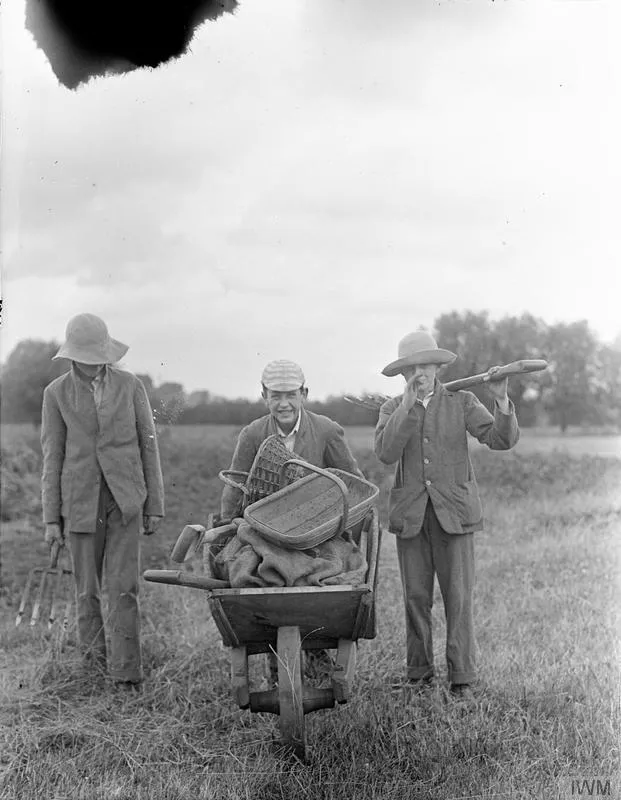
Photo: Sue Adair , CC BY-SA 2.0, via Wikimedia Commons
Christmas shopping has a reputation as the enemy of fitness. You spend a Saturday shuffling around a packed town centre, queuing outside a changing room, and hauling more bags than you planned. It can feel like a write-off. But look at what is actually happening: you are walking for hours, standing for long stretches and carrying loaded bags at odd angles. That is not nothing. It is a messy, real-world training session. The trick is to treat it like one without turning the day into a punishment.
At PW Fit, we are not interested in pretending a mince pie and a mooch around the shops is a metabolic crime. The aim is simpler: warm up before you leave, carry your bags like you have a spine you would like to keep, pace the queues, and spend ten minutes afterwards helping your feet and lower back recover. Then get on with enjoying December.
Before You Leave: A Five-Minute Warm-Up for Cold Pavements
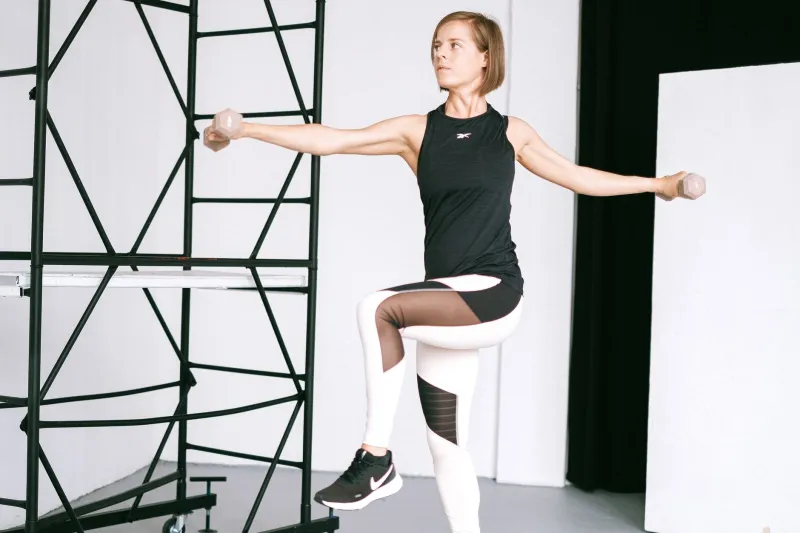
You would not head into a gym session on cold legs without a bit of preparation. A shopping day is no different. The pavements are cold, your shoes might be less supportive than your gym trainers, and you will be on your feet for far longer than usual. Five minutes in the hallway is enough.
- March on the spot for a minute, swinging your arms.
- Do ten slow calf raises, pausing at the top.
- Do ten hip hinges, pushing your backside back and keeping your chest tall.
- Roll your shoulders forwards and backwards ten times each way.
- Circle each ankle ten times in both directions.
- If you have a clear bit of floor, do eight glute bridges to wake up your hips.
That is it. You are not trying to get sweaty. You are just reminding your feet, calves, hips and shoulders that they are about to do some work. It also gives you a chance to check your footwear. If you are planning a long day, leave the thin-soled fashion boots at home. A pair of supportive trainers will do more for your lower back than any clever bag trick.
Bag Technique: Stop Carrying Like a Coat Hook
Most shopping aches come from carrying, not walking. The classic mistake is hanging three bags off one hand while the other arm swings free. That turns your shoulder into a coat hook and asks one side of your lower back to compensate for every uneven load. It is fine for two minutes. It is less fine for two hours.
Try these habits instead:
- Split the weight. Carry a bag in each hand when you can, and switch sides every five or ten minutes before one arm starts complaining.
- Keep bags close to your body. A bag swinging out to the side is a longer lever pulling on your shoulder.
- Use a rucksack for bulky or heavy items. A backpack is a training tool, not just a school-run cliché. It keeps the load close to your midline and frees your hands.
- Pack heavy items at the bottom. This lowers the centre of gravity and makes the bag easier to manage.
- Grip with your whole hand, not just your fingertips. If your fingers are turning white, the bag is too heavy or you need a trolley.
- Use the trolley. It is not cheating. A trolley is a piece of load-management equipment, and using it leaves you fresher for the walk home.
If you are buying something genuinely heavy, ask for help getting it to the car or take a rucksack from the start. There is no prize for carrying a microwave through a shopping centre with one hand.
Queue-Standing Is Its Own Event
Standing still sounds easy until you have done it for forty minutes outside a changing room. Long queues encourage you to lock your knees, slump onto one hip and stare at your phone. That is a recipe for a stiff lower back and aching feet.
Use the queue as a chance to fidget with purpose. Stand with your feet about hip-width apart and unlock your knees. Shift your weight slowly from one foot to the other every minute or so. Do a few small calf raises while you wait. Gently squeeze your glutes and let go. Roll your shoulders back and down. These are tiny movements, but they keep blood moving and stop you stiffening up.
If you are carrying a basket, hold it with both hands or rest it on the counter when you can. A heavy basket on one forearm is another lopsided load. And if there is a bench, sit on it. A short sit-down is not a failure of your fitness routine. It is pacing.
The Ten-Minute Recovery Routine at Home
When you get back, put the kettle on and spend ten minutes on the floor. This is not about burning off the day. It is about helping your feet and lower back feel less like they have been run over by a trolley.
For your feet
- Roll each foot over a tennis ball or massage ball for a minute, working from heel to toes.
- Spread your toes wide, then curl them. Repeat ten times.
- Stretch your calves on the stairs: ball of the foot on the step, heel dropping down, hold for thirty seconds each side.
- Pump your ankles up and down twenty times to get the circulation going.
For your lower back
- Cat-cow: on all fours, alternate rounding and arching your back for ten slow breaths.
- Knees to chest: lie on your back and hug one knee in, then the other, then both. Hold each for twenty seconds.
- Hip flexor stretch: kneel on one knee, tuck your pelvis and lean forward gently. Hold for thirty seconds each side.
- Legs up the wall: lie on your back with your legs resting up a wall for two minutes. It is a simple way to take the load off your feet and lower back.
You do not need to do all of it perfectly. Pick the bits that match where you feel stiff. The point is to give your body a clear signal that the carrying and standing are over.
A Note on Not Punishing Yourself
A Christmas shopping day is not a debt you need to repay on the treadmill. It is a day out. You might have a mulled wine, a sausage roll or a proper lunch, and none of that undoes the fact that you have been on your feet for hours. The warm-up, the carrying habits and the recovery routine are there to make the day more comfortable, not to earn your food.
If something genuinely hurts, stop. Sore feet are normal after a long day. Sharp pain, numbness or a back that feels worse rather than tired is your cue to sit down, get help or get a lift home. Real training for real lives means listening when your body has had enough.
The Bottom Line
You do not need to avoid the high street this December, and you do not need to turn it into a bootcamp. Warm up for five minutes, share the load between both hands, use a rucksack or trolley when it makes sense, keep moving in the queues and spend ten minutes on your feet and back when you get home. Treat the shopping day as a session you can manage rather than a write-off. Your back will thank you, and you can still enjoy the mince pie.